
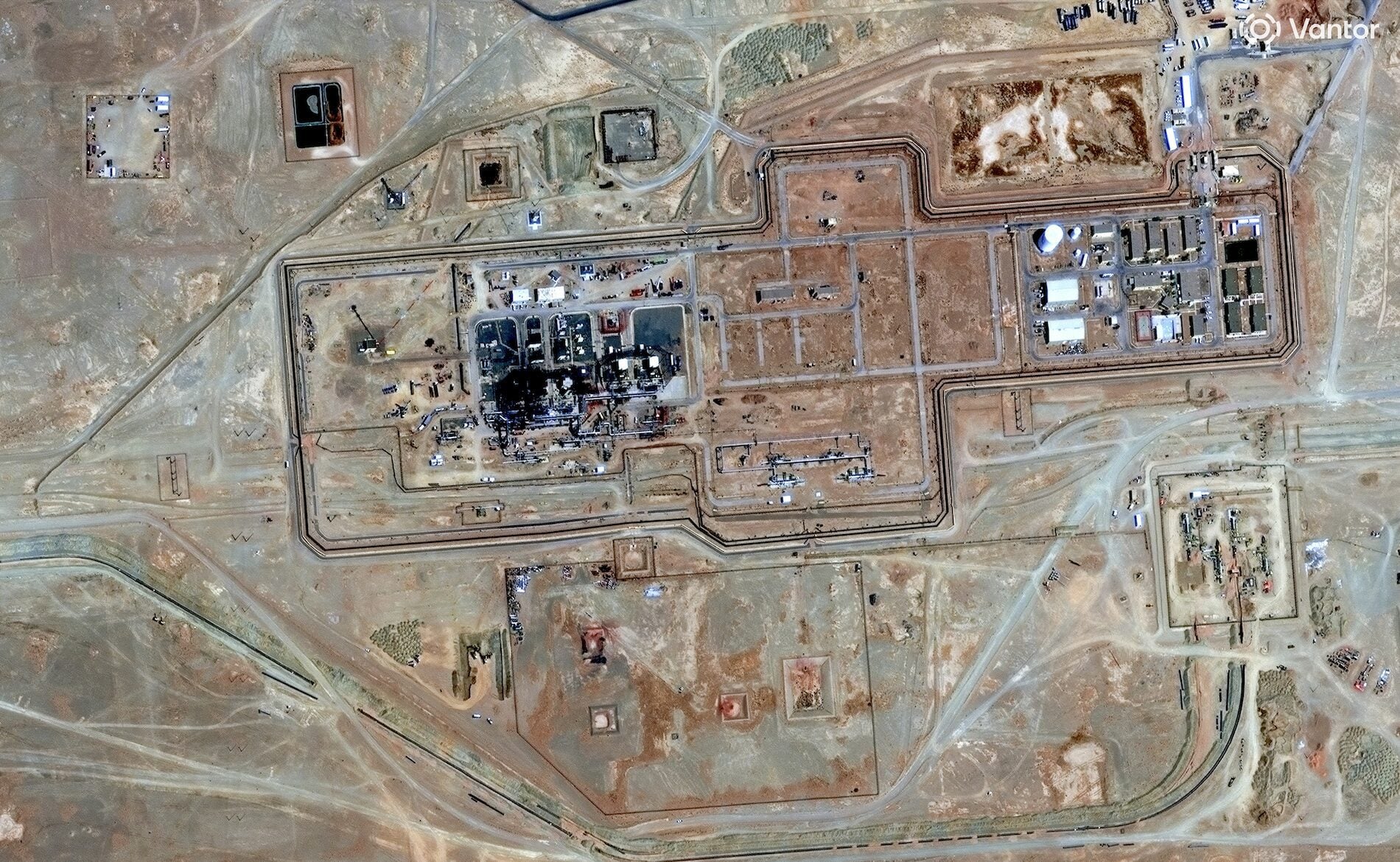
Saudi Arabia is examining options to raise oil pipeline capacity serving destinations outside the Persian Gulf to 10 million barrels a day within two to three years, according to a Bloomberg report published by gCaptain. Energy Minister Prince Abdulaziz bin Salman outlined the plans at the WPC Energy Congress in Riyadh on Monday, as the kingdom seeks to strengthen its infrastructure against repeated Houthi attacks on energy and aviation facilities.
The proposed expansion combines upgrades to pumping stations on the East-West pipeline with the conversion of a gas pipeline to carry crude. The East-West route has become a crucial export link during the US-Iran war, moving oil from Saudi Arabia’s eastern producing region to the Red Sea. It supports crude shipments from Yanbu and supplies refineries on the kingdom’s west coast, offering an alternative to tanker movements through the Strait of Hormuz.
According to the report, the minister said last week that the East-West pipeline was transporting 5.8 million barrels a day as of 6 October. Operations had resumed following a drone attack in September. Prince Abdulaziz also argued that the pipeline’s contribution during the crisis had already more than repaid the cost of building it.
The gas pipeline conversion could initially provide around 1.2 million barrels a day of crude transport capacity within seven to eight weeks, the minister said. Additional investment could potentially increase that figure to 3 million barrels a day. However, the first phase would be temporary rather than a permanent withdrawal of the line from gas service.
Prince Abdulaziz said he had told Saudi Aramco chief executive Amin Nasser that the pipeline could carry oil until May, when it would require cleaning before returning to domestic gas duties for the summer. The kingdom and Aramco are also working on a dual-use arrangement, adding pumping stations and compressors to allow the pipeline to switch between oil and gas according to requirements.